




Secondary rechargeable batteries
A secondary or rechargeable battery ( as opposed to a primary battery) is a non-rechargeable, single-use battery that acts as a galvanic cell when it is discharging, as it is converting chemical energy to electrical energy in a redox reaction, but acts as an electrolytic cell when it is being charged as it is converting electrical energy to chemical energy. Electrolysis is the process by which ionic substances are broken down into simpler substances when an electric current is passed through them, thus recharging the battery's electrical potential.
[edit] Related articles on Designing Buildings
Featured articles
Check out some of the best features and news from Designing Buildings as well as key stories from around the web.

National Scheme of Delegation introduced.

The cost of employing people remains a concern.
Code of Practice for Electrical Energy Storage Systems.

ECA calls on members to comment on draft 4th edition.

Bringing together expertise and creating cultural benefits.

CIOB celebrates positive Ofsted report.

The Building Safety Regulator announces a call for evidence.

Government approach could undermine delivery and regeneration.
World's first mass timber data centre.

The overlooked environmental aspect of data centre development.
Introduction to radon awareness
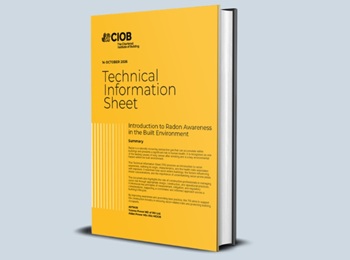
New technical information sheet published by CIOB.

Updated supplier guide can help electrical contractors engage with NHP.

CIAT confirm the winners of the 2026 architectural technology awards.

Government launches a one stop shop for flood preparedness.